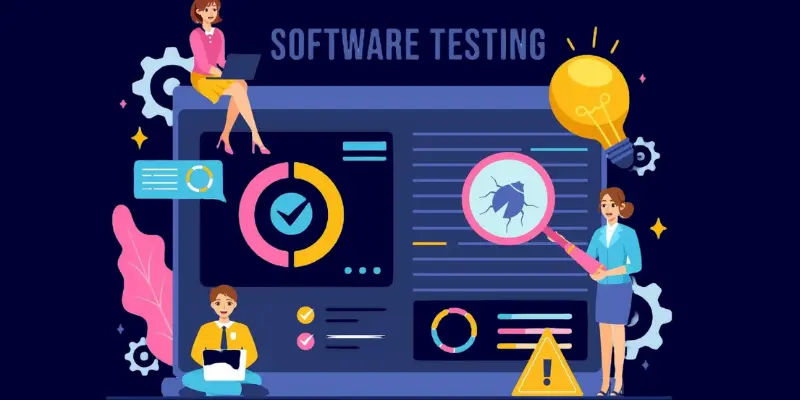
The primary phases of the Software Testing Life Cycle. include requirement analysis, test planning, test case development, test environment setup, test execution, defect tracking, and test closure. Each phase plays an important role in ensuring the software is tested thoroughly and meets quality standards before release. It helps detect bugs, improve performance, and provide a more user-friendly experience. When a beginner ventures into the IT industry, it is essential to know the Software Testing Life Cycle (STLC). A Software Testing Course in Gurgaon is one of the structured programs that many learners begin with to develop their knowledge base, both theoretically and practically. By studying every stage of STLC, future testers can build a solid foundation and pursue a successful career in software testing.
Requirement Analysis Phase
Requirement analysis is the initial stage of the Software Testing Life Cycle. During this phase, testers read the project requirements to determine what should be tested. They determine testable requirements, clarify stakeholder doubts, and create a list of testing priorities. This step is significant as it determines the course of the whole testing process. At this stage, beginners need to work on analytical skills and attention to detail. Having a clear picture of requirements helps testers create the right test cases and prevents confusion throughout the project lifecycle.
Test Planning Phase
The test planning phase entails developing a systematic plan that outlines the scope, objectives, resources, and schedule for testing activities. The test plan is typically prepared by test managers and serves as a guide to the rest of the team. It includes details like testing tools, timelines, roles, and risk management strategies. For those aiming to build a career in software testing, learning how to create an effective test plan is a valuable skill. This stage will teach novices how to plan work effectively and cope with testing tasks in a professional setting.
Test Case Development Phase
During this stage, testers develop test cases based on the requirements. They also prepare the test data required to run these cases. Clear and detailed test cases ensure that all the application’s functionality is tested appropriately. Novices can improve their skills by writing test cases regularly. Many learners who pursue Software Testing Courses in Ahmedabad at FITA Academy gain practical experience developing real-life test scenarios, which helps them apply theoretical knowledge in practice and build confidence in testing activities.
Test Environment Setup
The test environment setup phase prepares the hardware and software environment to run test cases. This involves setting up servers, applications, and making sure that all the necessary tools are in place. An appropriate test environment helps testers conduct effective, valid testing. Test results can be influenced by environmental issues, and it is necessary to set up carefully. Novices must learn the significance of cooperation with development and operations teams at this stage. Technical knowledge can be enhanced by learning how various systems interact, allowing testers to be more effective on ad hoc projects.
Test Execution Phase
In this stage, test cases are executed and the outcomes are carefully recorded for analysis. They compare anticipated results with actual results and identify any flaws in the application. It is among the most dynamic phases of the testing process, during which practical skills are used. Students enrolled in Software Testing Courses in Mumbai are usually exposed to live projects, which helps them understand how testing is done in the real industry. This step helps novices gain confidence, enhance problem-solving skills, and learn to communicate problems clearly and effectively.
Defect Reporting and Tracking
When defects are detected during test runs, they should be reported and followed up accordingly. Testers record every bug with information like steps to reproduce, severity, and anticipated results. These defects are then shared with the development team for fixing. Once the fixes are complete, testers confirm the changes to ensure the problem is resolved. This stage educates novices on the significance of communication and documentation in software testing. Effective defect tracking will ensure transparency and that the end product is of quality before it is released.
Test Closure Phase
Test closure is the last stage of the Software Testing Life Cycle. During this phase, testers review the testing process, write reports, and discuss what went well and what could be improved. They also document lessons learned and ensure that all testing activities are completed. For individuals seeking a Software Testing Course in Chandigarh, this phase will enable them to see the full testing lifecycle. It also equips them with real-world duties in which performance reviews and process improvement are major elements of career development.
Growth and Career Opportunities in Software Testing
The Software Testing Life Cycle provides a systematic approach to maintaining software quality throughout the development process. By understanding every stage, novices can develop strong technical and analytical skills, which are the keys to a successful career. Opportunities for software testing are numerous across industries, and talented testers are never in short supply. Through lifelong learning, practical experience, and commitment, individuals can build a stable career and continue advancing in this field over time. Software testing is not only a stable career but also a gateway to higher positions and international opportunities in the constantly changing world of technology.
Also check: Different Types of Software Testing