In today’s fast-paced industries like engineering, IT, and construction, effective project management is more important than ever. To precisely plan, organize, and carry out activities, organizations rely on strong project management systems. Oracle Primavera P6, which is frequently used to manage complicated and large-scale projects, is one such industry-leading solution. FITA Academy offers specialized Primavera P6 training programs that help individuals develop expertise in project planning, scheduling, and resource management techniques.
Learning Primavera P6 can greatly enhance your capacity to efficiently assign tasks, distribute resources, and monitor progress, regardless of your level of experience as a project manager. In order to help you establish a solid foundation and handle real-world projects with confidence, this tutorial will lead you through the principles of Primavera P6, from installation to project execution.
Understanding Oracle Primavera P6 and Its Core Features
Oracle Primavera P6 is a powerful project management tool that can manage anything from straightforward projects to intricate, multi-layered operations. It enables users to specify project structures, make thorough timetables, allocate resources, and track advancement in real time. Its capacity to oversee hundreds of actions while preserving control and clarity is one of its fundamental advantages.
Professionals favor it because of features like Work Breakdown Structure (WBS), Gantt charts, critical path analysis, and resource management. Primavera P6, for instance, assists in monitoring every stage of a construction project, from planning to execution, guaranteeing that deadlines are fulfilled and resources are used effectively. The initial step to becoming proficient with the instrument is to comprehend these fundamental aspects.
System Requirements and Installation Setup
Make sure your system satisfies the criteria before you start using Oracle Primavera P6. Primavera P6 typically operates on Windows operating systems with a steady processor, enough RAM (at least 8GB is advised), and enough storage. Additionally, depending on the version you select, you must have access to a compatible database, such as SQL Server or Oracle. Primavera Training in Chennai provides practical programs that help individuals gain strong project planning, scheduling, and resource management skills.
The installation procedure entails setting up database connections, launching the setup wizard, and downloading the software from the official Oracle website. A flawless setup is ensured by following step-by-step directions, even though the process may initially appear complicated. Before switching to corporate setups, beginners frequently find it useful to start with standalone versions. A flawless user experience is predicated on proper installation.
Navigating the User Interface and Dashboard
Getting acquainted with the Primavera P6 interface is the next step after installation. Although the dashboard could seem complicated at first, with practice, it becomes simple. The Project Explorer, Activities Window, and Resource Assignments are some of the areas that make up the main workspace. Additionally, scheduling, reporting, and configuration tools are easily accessible through toolbars and menus.
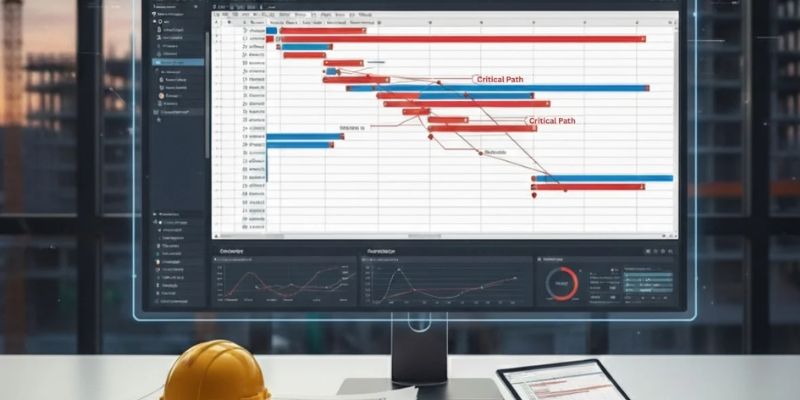
Because it graphically depicts project deadlines and relationships, the Gantt chart view is especially helpful. For example, by looking at the chart, you can quickly find jobs that overlap or delays. Efficiency and clarity can be increased by personalizing the layout to your liking. You can browse with confidence and do activities more efficiently if you take the time to explore the interface.
Creating Your First Project in Primavera P6
Once you grasp the structure, creating a project in Oracle Primavera P6 is a simple process. Establishing the Enterprise Project Structure (EPS), which arranges projects inside your company, is the first step. After that, start a new project and designate it to the relevant EPS node. Next, you will specify the project name, start date, and calendar settings. The Primavera Training Institute in Chennai focuses on practical, project-oriented preparation to help learners master project planning, scheduling, and resource management techniques.
Once the project is set up, you can start creating the Work Breakdown Structure (WBS), which breaks the project up into manageable chunks. Phases including planning, development, testing, and deployment, for instance, may be included in a software development project. This methodical methodology guarantees lucidity and facilitates methodical work management from the outset.
Defining Activities, Durations, and Dependencies
In Oracle Primavera P6, activities are the fundamental components of any project. Every activity stands for a distinct task that must be finished. Activity names, durations, start and finish dates, and connections to other tasks can all be specified. The order of actions is established by dependencies like finish-to-start or start-to-start.
For example, testing cannot start until development is finished. Primavera P6 makes timeline management easier by automatically calculating schedules based on these relationships. Accurate scheduling requires realistic durations and dependencies. You can build a clear roadmap that directs the entire project execution process by precisely describing the actions.
Resource Planning and Cost Management Basics
Project success depends on efficient resource management, which Oracle Primavera P6 offers strong capabilities to manage. To ensure optimal usage, you can allocate resources like people, equipment, and supplies to particular tasks. This is how primavera works. In order to help you stay within your budget, the software also lets you keep track of the expenses related to each resource.
For instance, you can assign a group of engineers to a task and keep an eye on their spending and workload in real time. You can detect resource overloading with Primavera P6 and adapt as necessary. You can better manage time and money by combining resource planning with scheduling, which results in more effective project execution.
Tracking Progress and Generating Reports
One of Oracle Primavera P6’s most crucial features is the ability to monitor project progress. You can record actual durations, compare them with planned timelines, and alter activity statuses as work moves along. This makes it easier to spot delays and quickly address them. Additionally, Primavera P6 has a number of reporting features that let you create comprehensive reports on project performance, resource usage, and expenses.
To keep everyone informed, these reports can be distributed to interested parties. For example, a project manager can present weekly progress reports to clients, highlighting completed tasks and upcoming milestones. Throughout the course of a project, regular tracking and reporting guarantee transparency and enhance decision-making.
Best Practices and Common Mistakes to Avoid
It’s critical to adhere to best practices and steer clear of typical blunders in order to use Oracle Primavera P6 efficiently. Always begin with a well-defined project plan and goals. Schedules should not be overly complicated with pointless tasks since this might make management challenging. To avoid creating erroneous timeframes, make sure that dependencies and durations are reasonable. Update project data frequently to ensure correctness and dependability.
The significance of resource leveling is frequently overlooked by novices, which can result in overworked teams and delays. To further enhance your abilities, make use of training materials and practice frequently. You may optimize Primavera P6’s advantages and improve project results by adhering to these recommendations.
What is Next?
Oracle Primavera P6 can be difficult to use at first, but with the correct strategy, it can be a very useful tool for effectively managing projects. Primavera P6 provides all the tools you need to confidently manage complicated projects, from software setup to scheduling, resource allocation, and progress tracking. You may increase productivity, lower risks, and successfully complete projects by comprehending its fundamental features and implementing best practices. Gaining proficiency with Primavera P6 can help you become a more effective project manager and offer up new job prospects, regardless of your industry construction, IT, or any other.