Organizations are always searching for ways to provide high-quality products more quickly and effectively in today’s rapidly evolving business climate. Agile approaches are useful in this situation. Agile has revolutionized teamwork by encouraging adaptability, cooperation, and ongoing development. The Scrum Master, a position that is frequently misinterpreted but crucial to team success, is at the center of this change. FITA Academy offers specialized Scrum Master training programs that help individuals develop expertise in Agile methodologies, team collaboration, and effective project management practices.
Learning about the work of a Scrum Master is an excellent place to start if you’re considering a career in Agile or just want to understand how contemporary teams operate. This article will give you a clear understanding of what a Scrum Master performs, why the position is important, and how it helps projects be completed successfully.
Understanding Agile and Scrum
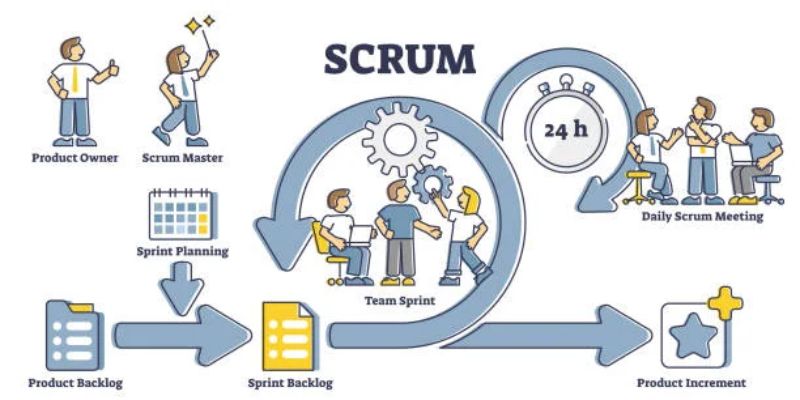
Understanding the fundamentals of both Agile and Scrum is necessary to comprehend the function of a Scrum Master. Tasks are broken down intosmaller chunks called sprints. Instead than releasing a product all at once, teams build, test, and improve it over time.
It offers a systematic approach for groups to work together and produce value through brief, time-limited iterations. Transparency, inspection, and adaptation are highly valued in Scrum, allowing teams to respond quickly to changes and progressively improve their processes. Within this structure, the Scrum Master acts as a mentor, making sure the team effectively follows Scrum procedures.
Core Responsibilities of a Scrum Master
For the Scrum method to function properly, the Scrum Master is essential. In contrast to conventional supervisors, a Scrum Master supports and mentors the team rather than exerting control over them. Scrum Master Certification in Chennai provides practical programs that help individuals gain strong Agile knowledge, team management, and project coordination skills.
Facilitating Scrum rituals like daily stand-ups, sprint planning, sprint reviews, and retrospectives is one of their main responsibilities. These gatherings support the team’s continued improvement, progress monitoring, and alignment. These meetings are focused and productive thanks to the Scrum Master.
Eliminating barriers that could impede the team’s progress is another crucial duty. These challenges could be anything from communication breakdowns to technical problems. The Scrum Master keeps the team moving forward and productive by resolving these issues.
Facilitating Collaboration and Removing Obstacles
A Scrum Master serves as a liaison between the organization, stakeholders, and team members. They create a cooperative atmosphere where people may freely express their thoughts and worries. Teams can operate more efficiently and prevent misunderstandings because to this open communication.The Scrum Master is in charge of finding and eliminating obstacles in addition to encouraging teamwork. For instance, the Scrum Master intervenes to help a developer who is stuck because of a lack of resources or ambiguous requirements. The team can concentrate on producing value without needless delays thanks to this proactive strategy.
The Scrum Master facilitates the team’s optimal performance by fostering a positive atmosphere and promptly resolving issues. The Scrum Master Training Institute in Chennai focuses on practical, project-oriented preparation to help learners master Agile practices, team facilitation, and project delivery skills.
Scrum Master vs Product Owner vs Project Manager
The distinctions between a Scrum Master, a Product Owner, and a Project Manager are frequently misunderstood. Despite their apparent similarities, these positions have different duties.The team and the process are the Scrum Master’s main priorities. They make sure the team operates well and that Scrum procedures are followed. In contrast, the Product Owner is in charge of managing the backlog and developing the product vision. They prioritize projects according to business value and determine what needs to be built.
Planning, budgeting, and overall project execution are the responsibilities of a project manager, who is usually found in traditional project management systems. Anyone hoping to work in Agile teams must comprehend these distinctions.
Essential Skills of an Effective Scrum Master
Certain abilities are necessary for a Scrum Master to be successful. Since the position requires frequent engagement with stakeholders and team members, having strong communication skills is essential. A Scrum Master needs to be able to efficiently settle problems, give clear instructions, and actively listen. Another crucial trait is leadership, which is distinct from traditional leadership. A Scrum Master employs servant leadership, which emphasizes team support above team direction. This strategy fosters trust and motivates team members to take responsibility for their tasks.
Adaptability and problem-solving skills are also essential. Agile workplaces are dynamic, thus a Scrum Master needs to be flexible and ready to deal with unforeseen obstacles. These are some key benefits of scrum technology. To effectively lead the team, a solid grasp of Scrum procedures and Agile principles is also required.
Common Challenges and How to Overcome Them
Being a Scrum Master has its own set of difficulties, just like any other position. Resistance to change is a prevalent problem, particularly in companies moving away from conventional project management techniques. It could be challenging for team members to adjust to new procedures and methods of operation.
Managing ambiguous criteria or frequent shifts in priority presents another difficulty. The team’s workflow may be disrupted and misunderstanding may result. By guaranteeing effective communication between the team and the Product Owner and promoting frequent feedback, a Scrum Master may handle this.Another difficulty is handling disputes within the team. Misunderstandings may result from differences in viewpoints or methods of operation. In order to help team members settle disputes and preserve a productive workplace, a Scrum Master must serve as a mediator.
Real-World Impact of a Scrum Master
To better comprehend the function, consider a real-world scenario where a development team is unable to achieve deadlines due to frequent disruptions and unclear requirements. A Scrum Master assumes control, organizes Scrum meetings, improves stakeholder communication, and gets rid of unnecessary diversions. As a result, collaboration improves, production increases, and the group becomes more focused.
Tips for Starting a Career as a Scrum Master
Gaining a deep understanding of Agile ideas and Scrum methods is the first step towards becoming a Scrum Master. Building a solid foundation can be facilitated by learning through courses, certificates, and real-world experience. Acquiring expertise in collaborative settings is also beneficial. Participating in Agile projects can provide you with useful insights even if you are not yet in a Scrum role. Gaining proficiency in soft skills like problem-solving, leadership, and communication will help you excel in this position.
Additionally, it’s critical to keep abreast of industry developments and keep learning new things. Being knowledgeable will help you stay current and productive in the rapidly changing industry of agile.
Final Report
For Agile teams to succeed, a Scrum Master’s job is crucial. The Scrum Master contributes to the creation of an effective and productive work environment by encouraging teamwork, removing barriers, and leading the group through Scrum procedures. The position has a big impact on team performance and project success even if it might not require direct control. You may better appreciate the value a Scrum Master adds to a company by being aware of their duties, abilities, and problems. Gaining a thorough understanding of this function is an important step forward, regardless of whether you intend to pursue this career or just wish to work well in Agile teams.