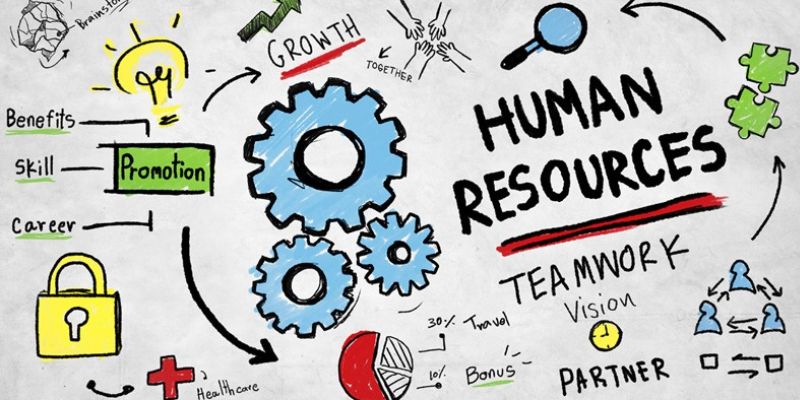
The last ten years have seen a significant change in human resources. HR now plays a strategic role in forming corporate culture, increasing productivity, and propelling business expansion; it is not simply about hiring and payroll. Knowing the six fundamental HR functions is crucial as businesses adjust to remote work, digital transformation, and shifting employee expectations.
Knowing how these fundamental tasks work enables you to forge better teams and establish a long-lasting workplace, whether you’re an aspiring HR professional, manager, or business owner. People management, technology, compliance, analytics, and leadership development are all combined in modern HR. FITA Academy delivers comprehensive HR training designed to help aspiring HR professionals strengthen their recruitment, employee engagement, payroll management, compliance, and performance management skills for real-world corporate environments. We will thoroughly examine the six crucial HR tasks in this blog, explain how they operate in the modern workplace, and offer real-world examples to help you see how they affect the success of your company.
1. Talent Acquisition and Recruitment in the Digital Era
Filling job openings is only one aspect of talent acquisition. These days, it entails company branding, strategic workforce planning, and leveraging technology to draw in the best applicants. To find top talent, HR managers use AI-driven applicant monitoring tools, job sites, and LinkedIn. Companies increasingly anticipate future skill needs and create talent pipelines ahead of time rather than hiring reactively.
The candidate experience is a major component of recruitment techniques as well. Organizations, for instance, streamline application procedures, have organized interviews, and keep lines of communication open during the employment process. HR departments can assess time-to-hire, cost-per-hire, and quality-of-hire KPIs with the aid of data analytics. Employer branding is crucial in today’s cutthroat labor market. Better talent is drawn to organizations that exhibit diversity initiatives, advancement possibilities, and a favorable work culture. Businesses can hire qualified workers who share their long-term objectives by having a solid understanding of this HR function.
2. Employee Onboarding, Training, and Development
Hiring outstanding personnel is just the beginning. A successful onboarding process guarantees that new hires are comfortable, knowledgeable, and productive right away. The company’s principles, policies, team responsibilities, and performance standards are introduced during an organized onboarding program. Modern HR teams use interactive sessions and digital onboarding systems to provide engaging experiences for new hires rather than overloading them with paperwork.Orientation is only one aspect of training and development. Companies spend money on leadership development, skill workshops, mentorship, and ongoing learning initiatives. For example, a team lead might go to leadership development classes, and a marketing executive would get advanced training in digital marketing. Learning Management Systems (LMS) are widely used by businesses to monitor employee certifications and progress.
Employee retention, productivity, and confidence are all enhanced by this HR function. Employees remain dedicated and motivated when they perceive prospects for advancement. In a business climate that is changing quickly, continuous development also guarantees that firms maintain their competitiveness. Build professional people-management skills with the HR Course In Chennai, providing structured, industry-oriented training in recruitment, payroll management, performance appraisal, labor law compliance, and real-time case studies with personalized mentoring.
3. Performance Management and Appraisal Systems
Annual appraisals are no longer the only use of performance management. Continuous feedback models are used by modern corporations to improve worker performance. Clear Key Performance Indicators (KPIs) that are in line with company goals are created by HR departments. To monitor progress, managers do frequent goal reviews, mentoring sessions, and check-ins.
Performance tracking has become easier thanks to digital tools. For instance, real-time monitoring of employee goals, feedback, and development plans is made possible by HR software platforms such as SAP SuccessFactors. Companies prioritize employee growth conversations over ratings alone. Productivity and engagement are increased by effective performance management. Workers are regularly given constructive criticism and have a clear understanding of expectations. Establishing transparent and equitable evaluation procedures helps organizations foster confidence among their staff. HR experts can guarantee that individual efforts directly contribute to the success of the organization by being proficient in this function.
4. Compensation, Benefits, and Retention Strategies
Benefits and pay are important factors in luring and keeping workers. Salary structures are created by HR specialists using performance levels, internal equity, and market norms. Modern workers value flexible work schedules, health benefits, wellness initiatives, and chances for career progression in addition to competitive pay. A lot of companies now provide performance-based bonuses, mental health support programs, and hybrid work models. To stay competitive in their industry, HR departments carry out wage benchmarking research. Employee trust is increased and unhappiness is decreased through open communication regarding remuneration practices.
Pay is only one aspect of retention tactics. To determine the reasons behind employee turnover, HR departments use engagement data, employee surveys, and departure interviews. The HR Training Institute in Chennai focuses on practical, industry-oriented preparation, enhancing recruitment, payroll management, employee relations, performance management, and labor law compliance skills through real-time case studies and hands-on training. Attrition can be decreased with proactive retention measures including internal promotions and recognition programs. Organizations can lower hiring expenses, preserve stability, and cultivate enduring employee loyalty by comprehending this role.
5. Employee Relations and Workplace Culture
The goal of employee relations is to keep the workplace safe and productive. HR specialists serve as advocates for culture, policy advisors, and mediators. They manage complaints, disputes, and disciplinary measures in a fair and private manner.
Collaboration, diversity, and inclusion are all encouraged by a positive workplace culture. HR departments create regulations that support fairness and civil discourse. To improve teamwork, for example, businesses could plan staff engagement events or offer diversity training programs.
In this role, open lines of communication are crucial. HR makes certain that workers are aware of the organization’s standards, code of conduct, and workplace policies. Timely action in confrontations keeps them from getting worse and boosts morale. Good employee relations foster a culture of trust between employees and management, making people feel appreciated and supported at work.
6. Compliance, Policies, and Legal Responsibilities
One of the most important HR tasks is compliance. Workplace safety standards, employment legislation, and labor laws must all be followed by organizations. HR specialists make sure business policies comply with local and federal laws by keeping up of legal developments. The company should have a strong HR department. As this will be helpful in many way for the company.
HR departments, for instance, oversee employment contracts, keep track of personnel, and enforce anti-harassment guidelines in compliance with legal requirements. Financial penalties and harm to one’s reputation may follow noncompliance. To make sure managers and staff are aware of their responsibilities, HR departments thus hold audits and training sessions. HR creates internal policies about leave management, remote work, disciplinary actions, and ethical behavior in addition to adhering to the law. Employers and employees are both protected by clear documentation. HR specialists protect corporate integrity and establish a safe workplace by becoming experts in compliance.
Integrating HR Technology and Data Analytics
The use of technology is essential to modern HR operations. Organizations can use HR analytics to inform data-driven hiring, performance, and retention decisions. Payroll, attendance, hiring monitoring, and employee engagement surveys are all made easier by software solutions.Platforms such as Workday, Inc., for example, combine several HR procedures into a single system. These technologies include dashboards that assist leaders in predicting future requirements and analyzing workforce patterns.
HR that is data-driven increases accuracy and efficiency. Organizations employ quantifiable findings to inform policies and plans rather than making assumptions. Comprehending the function of HR technology improves the overall competitiveness and agility of the firm.
Practical Tips to Master the 6 Key HR Functions
Prioritize ongoing education and hands-on experience if you want to fully comprehend and implement these HR duties. Attend HR workshops, study case studies from top companies, and stay current with industry trends. To effectively manage people, cultivate your analytical and communication abilities.
If you want to work in human resources, seek for internships or certification programs to gain real-world experience. Managers should collaborate closely with HR personnel to align departmental goals with people strategy. Business owners should see human resources as a strategic partner rather than an administrative department.
By combining stringent compliance protocols, competitive compensation, organized onboarding, continuous performance management, first-rate hiring practices, and great employee interactions, organizations build resilient environments. Each department collaborates with the others to develop a comprehensive HR framework that fosters long-term success.
End suggestion
To build a productive and future-ready organization, you must understand the six key HR functions. Talent acquisition brings the right people into the company. Training and development strengthen their skills and capabilities. Performance management aligns individual efforts with organizational goals. Compensation and retention strategies keep employees motivated and committed. Employee relations maintain a positive work environment, while compliance protects the organization from legal risks.
HR today drives people success through technology and strategic planning. Organizations that invest in effective HR practices create strong work cultures where employees thrive and businesses grow. When you master these six key functions, you position yourself or your organization for long-term success in an ever-evolving workplace.